
Drawing Of A Carbon Atom
Drawing Of A Carbon Atom - Web drawing every bond and every atom is tedious, however, so chemists have devised several shorthand ways for writing structures. Web therefore, a lewis structure must be drawn for a covalent molecule before its chemical formula can be determined. Hydrogens that are attached to elements other than carbon are shown. And each oxygen is six, and we have one of them, so six. It is common to draw a horizontal zigzag line with the appropriate number of c atoms. Web we will use this information to draw the bohr model of the carbon atom. In the first step, we will draw the nucleus of the carbon atom. Carbon is still bonded to these hydrogens but we're going to ignore them for our bond line structure. Web in this video we'll look at the atomic structure and bohr model for the carbon atom (c). Web we have one atom of carbon, so that's four valence electrons. Web the commonest way to draw structural formulae. Web we will use this information to draw the bohr model of the carbon atom. Web atomic structure (bohr model) for magnesium (mg) carbon has 2 electrons in its first shell and 4 in its second shell. Then play a game to test your ideas! The circle with the c is a representative nucleus, so now you'll need to indicate the electron orbitals. Hydrogen atoms are omitted but are assumed to be present to complete each of carbon's four bonds. Web the small grey dot that follows your cursor is an atom (carbon). Web how to draw atoms (bohr model) in this lesson i present an overview of: We’ll use a bohr diagram to visually represent where the electrons are around the nucleus of the c. Web to draw the lewis structure of an atom, write the symbol of the atom and draw dots around it to represent the valence electrons. Web we will use this information to draw the bohr model of the carbon atom. Web if you were to draw every carbon hydrogen bond in organic chemistry class it would take you forever. Carbon is still bonded to these hydrogens but we're going to ignore them for our bond line structure. Web the small grey dot that follows your. Converts the structural formula into a 3d model. It belongs to group 14 of the periodic table. Web the small grey dot that follows your cursor is an atom (carbon). It is nonmetallic and tetravalent—meaning that its atoms are able to form up to four covalent bonds due to its valence shell exhibiting 4 electrons. Notice the carbon in red. It is common to draw a horizontal zigzag line with the appropriate number of c atoms. The carbons on top of the zigzag will have a wedge and a dash pointing towards the top of the paper. It has symbol c and atomic number 6. Carbon is still bonded to these hydrogens but we're going to ignore them for our. Hydrogens that are attached to elements other than carbon are shown. It belongs to group 14 of the periodic table. You can simplify the formula by writing, for example, ch 3 or ch 2 instead of showing all these bonds. You often draw them to suit your own purposes. Carbon is still bonded to these hydrogens but we're going to. Web if you were to draw every carbon hydrogen bond in organic chemistry class it would take you forever. Click to place an atom. The circle with the c is a representative nucleus, so now you'll need to indicate the electron orbitals. Converts the structural formula into a 3d model. For example, consider fluorine and sulfur. Web the carbon in red is also bonded to an oxygen all right, so we need to draw in an oxygen next. Web we will use this information to draw the bohr model of the carbon atom. Web the atomic number for carbon is 6, so you'll need 6 protons, and in turn 6 electrons. Each hydrogen is one valence. The circle with the c is a representative nucleus, so now you'll need to indicate the electron orbitals. Web atomic structure (bohr model) for magnesium (mg) carbon has 2 electrons in its first shell and 4 in its second shell. Web we will use this information to draw the bohr model of the carbon atom. Web there is no real. Hydrogen atoms are omitted but are assumed to be present to complete each of carbon's four bonds. You often draw them to suit your own purposes. Carbon is still bonded to these hydrogens but we're going to ignore them for our bond line structure. Web a carbon atom is present wherever a line intersects another line. Web the atomic number. Then play a game to test your ideas! And each oxygen is six, and we have one of them, so six. Web therefore, a lewis structure must be drawn for a covalent molecule before its chemical formula can be determined. This atom is also balanced in charge so it also needs six electrons. Hydrogen atoms are omitted but are assumed. Web to draw the lewis structure of an atom, write the symbol of the atom and draw dots around it to represent the valence electrons. It belongs to group 14 of the periodic table. Web explore the interactive simulation to build and understand atoms, isotopes, and their periodic table representations at phet. This atom is also balanced in charge so. For this, we will first have to calculate the number of protons and neutrons present in this atom. In the first step, we will draw the nucleus of the carbon atom. Notice the carbon in red now has an octet of electrons around it. As long as it’s carbon it has six protons. Web carbon (from latin carbo 'coal') is a chemical element; Web we have one atom of carbon, so that's four valence electrons. So, we leave those out in bond line structures. Web drawing every bond and every atom is tedious, however, so chemists have devised several shorthand ways for writing structures. Web if you were to draw every carbon hydrogen bond in organic chemistry class it would take you forever. It is common to draw a horizontal zigzag line with the appropriate number of c atoms. Web atomic structure (bohr model) for magnesium (mg) carbon has 2 electrons in its first shell and 4 in its second shell. The carbons on top of the zigzag will have a wedge and a dash pointing towards the top of the paper. Each hydrogen is one valence electron, but we have two of them, so 1 times 2. Web the atomic number for carbon is 6, so you'll need 6 protons, and in turn 6 electrons. The circle with the c is a representative nucleus, so now you'll need to indicate the electron orbitals. And each oxygen is six, and we have one of them, so six.
Download Carbon, Atom, Atoms. RoyaltyFree Stock Illustration Image
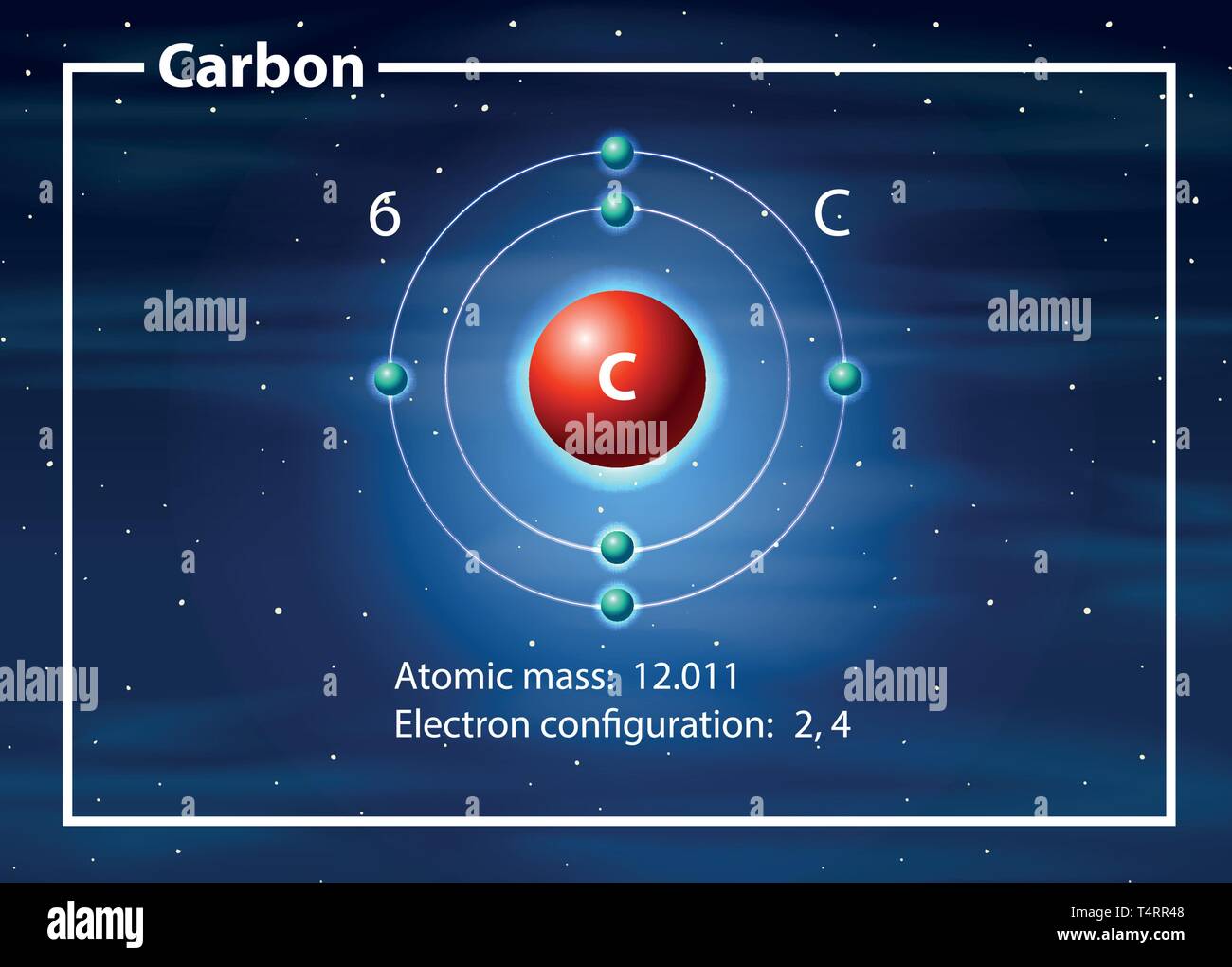
Carbon atom diagram hires stock photography and images Alamy

Carbon atomic structure (437243) Illustrations Design Bundles

The Carbon Atom Mind Map
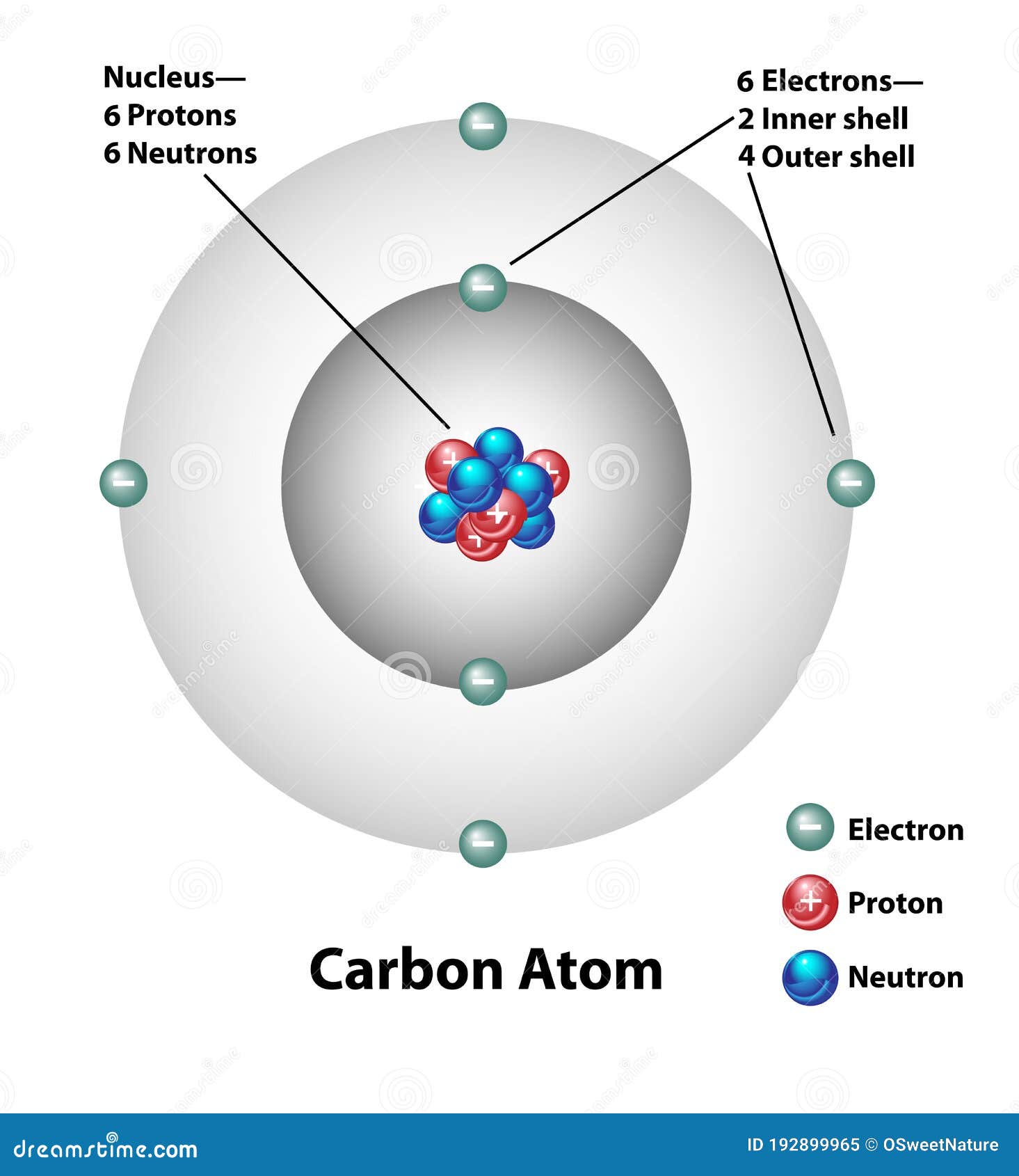
Carbon Atom Molecular Structure Labels Stock Vector Illustration of
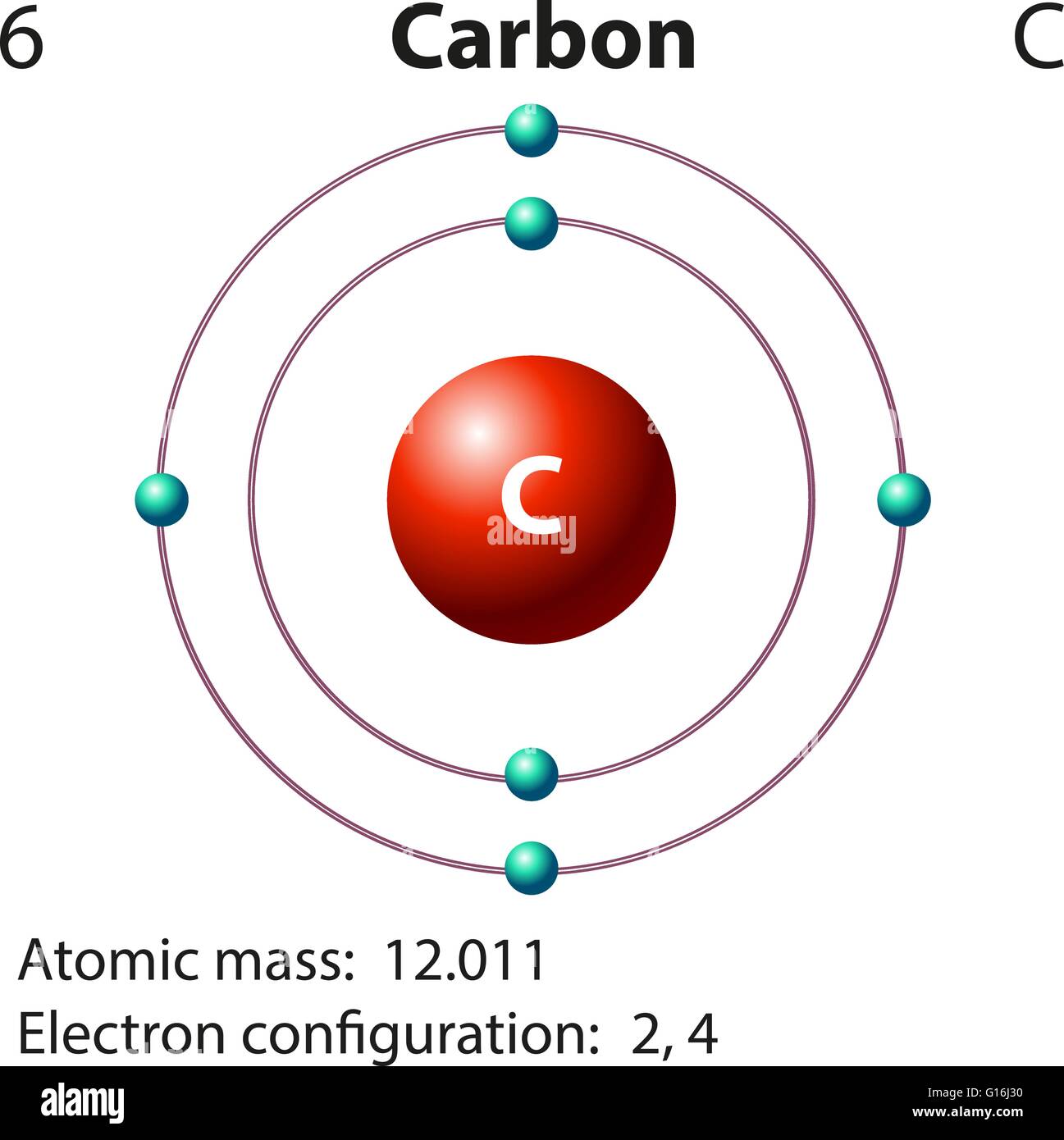
Carbon atom diagram hires stock photography and images Alamy
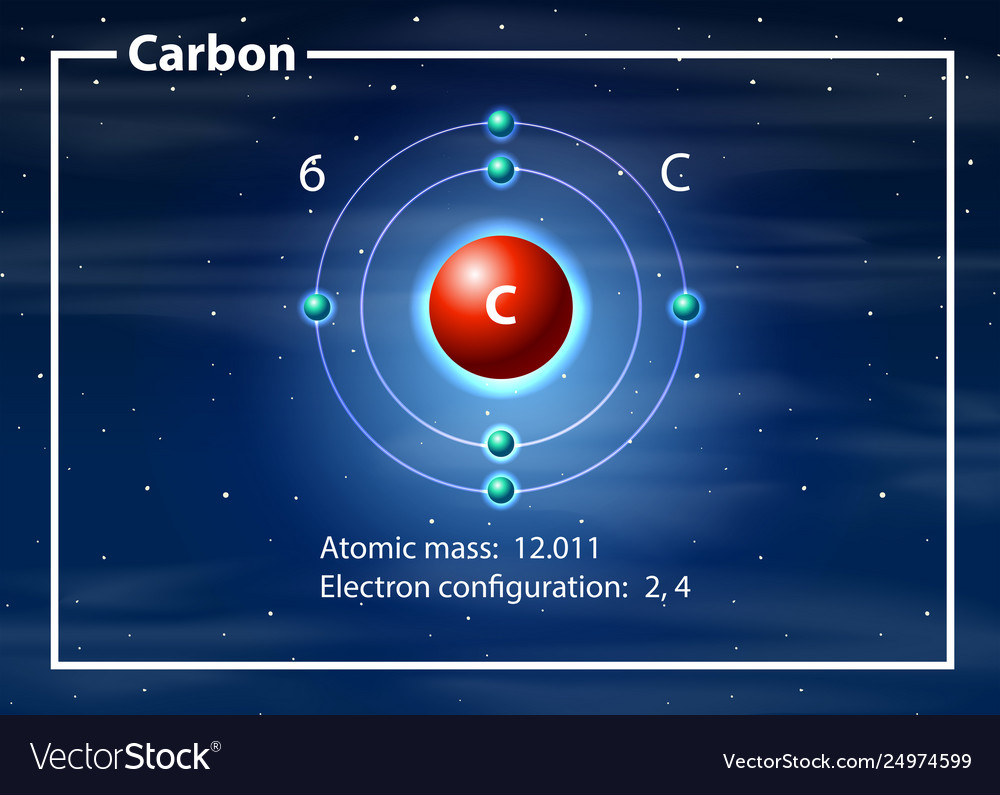
Carbon atom diagram concept Royalty Free Vector Image
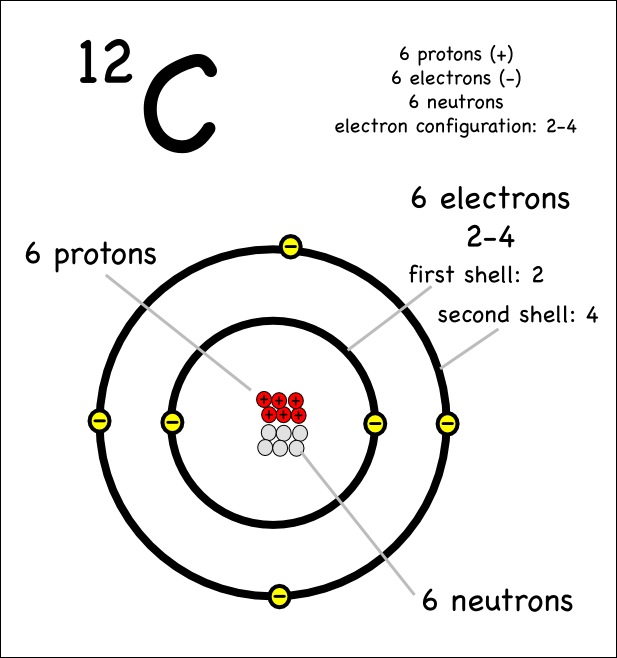
Drawing Atoms Montessori Muddle

Carbon atom Bohr model stock vector. Illustration of background 267661777
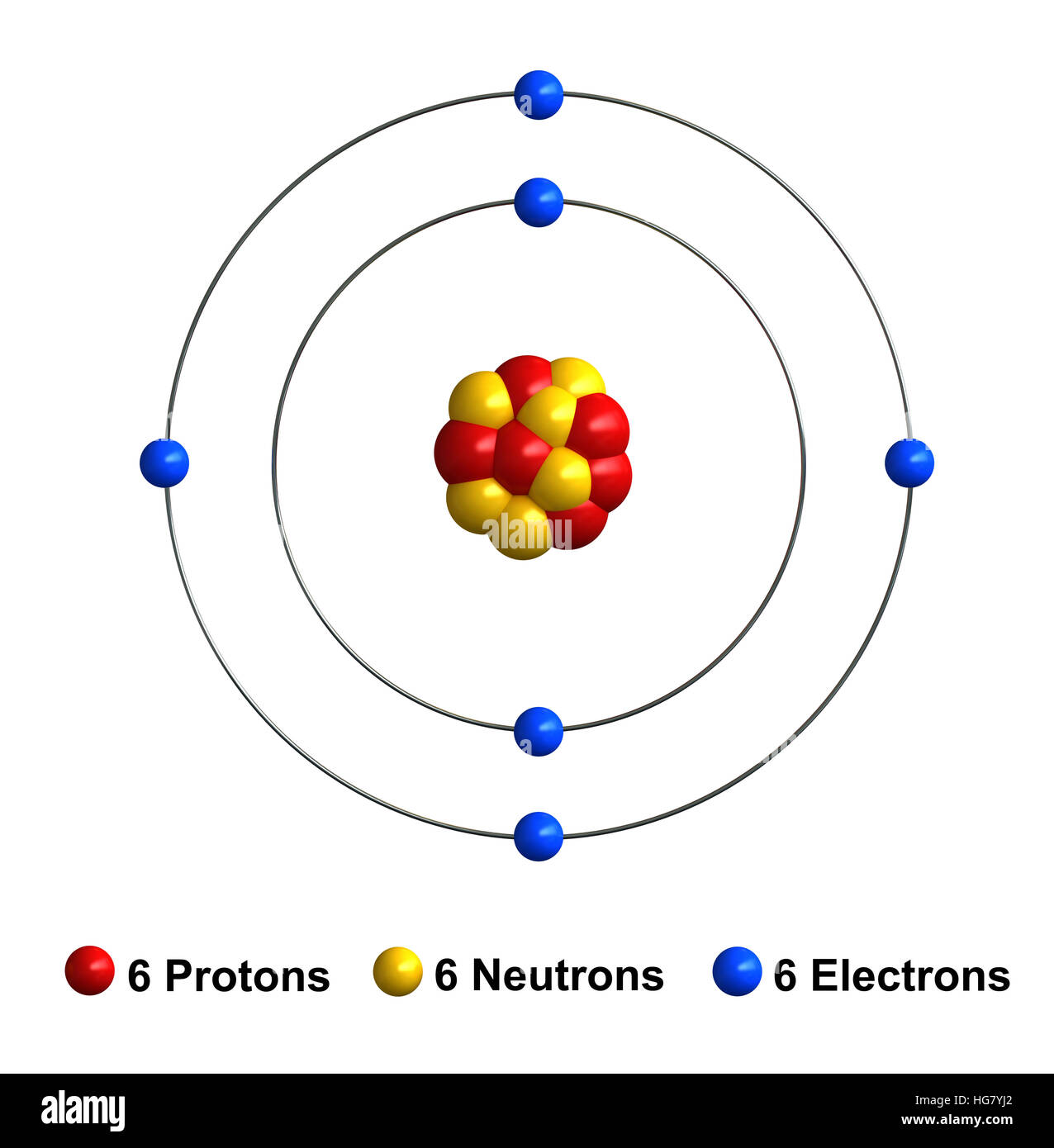
Carbon Atomic Structure High Resolution Stock Photography and Images
Web Therefore, A Lewis Structure Must Be Drawn For A Covalent Molecule Before Its Chemical Formula Can Be Determined.
Hydrogens That Are Attached To Elements Other Than Carbon Are Shown.
It Is Nonmetallic And Tetravalent—Meaning That Its Atoms Are Able To Form Up To Four Covalent Bonds Due To Its Valence Shell Exhibiting 4 Electrons.
Web Explore The Interactive Simulation To Build And Understand Atoms, Isotopes, And Their Periodic Table Representations At Phet.
Related Post: